
Retail Operations, Reimagined Through Digital Thinking
From Paper to Performance: How I Digitised Retail Operations Turning everyday retail challenges into practical digital systems. Discover the winning formula I’ve developed over years of managing high-pressure retail environments — large teams, busy trading floors, and complex stockrooms. Too many critical retail processes are still paper-based, fragmented, and reactive. I redesigned how operations function using simple, accessible digital tools to create visibility, accountability, and real-time control. This post shares real insights from a senior store manager on digitising retail systems across performance, operations, stockrooms, and employee relations. More insights and volumes coming soon
RETAIL OPERATIONS, REIMAGINED THROUGH DIGITAL THINKING
Gameed Omar
5/8/20242 min read
Retail Operations, Reimagined Through Digital Thinking
Volume 1
KPI & Performance Tracking (Automated, Visible & Accessible)
Why Retail Performance Needs Real-Time Insight
Retail performance is often measured in hindsight — weekly reports, monthly summaries, or even quarterly reviews. But in fast-paced stores, delayed reporting means missed opportunities. Without clear, real-time insight, managers rely on intuition, and staff may be unaware of how their daily actions contribute to larger goals.
I recognized early in my career that traditional, paper-based reporting wasn’t enough. To truly drive performance, we needed a system that was instant, transparent, and actionable, and that could be used by every team member, from the floor to management.
Designing a Digital KPI System
Objective: Move from reactive reporting to a proactive, data-driven performance culture.
What I implemented:
Google Sheets–based KPI dashboards
Each department had a dedicated sheet tracking key performance metrics
Embedded formulas automatically calculated percentages for sales targets, conversion rates, and other KPIs
Reduced errors and eliminated manual calculations
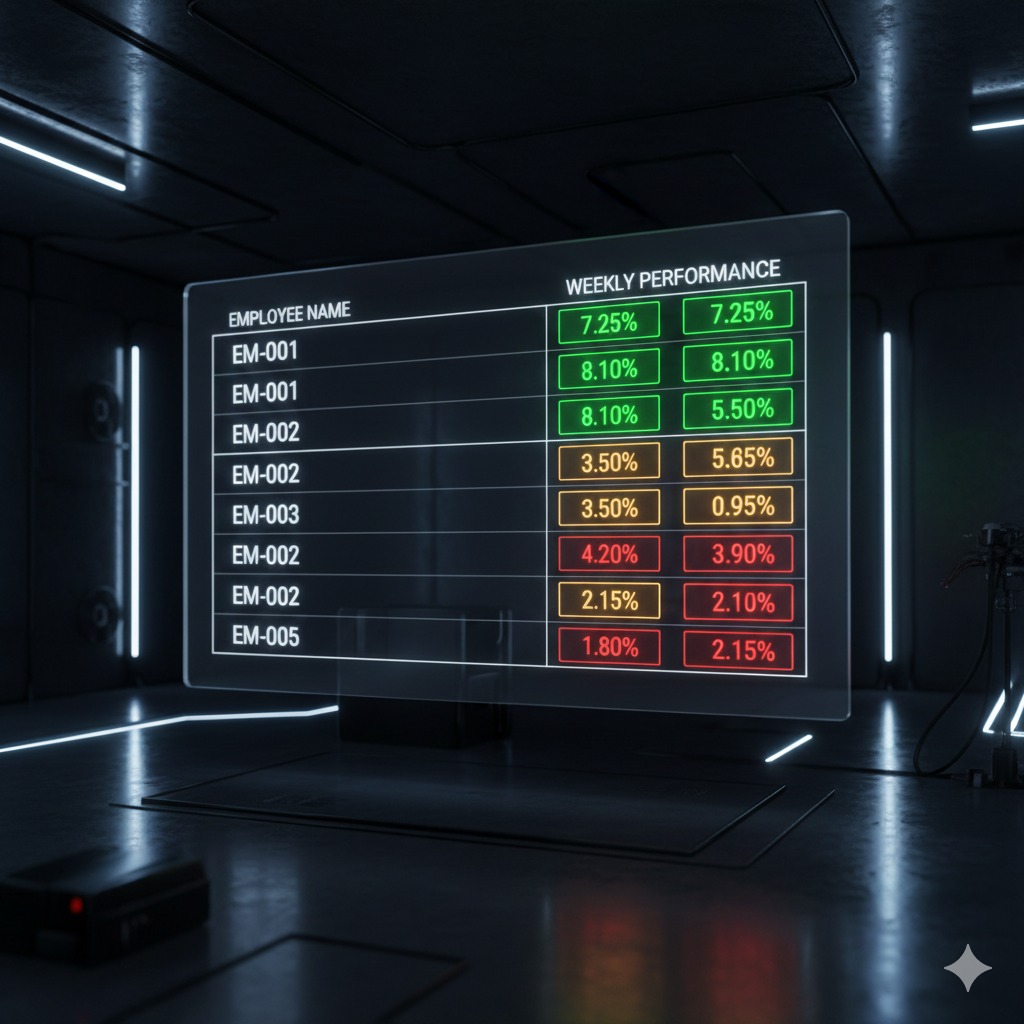
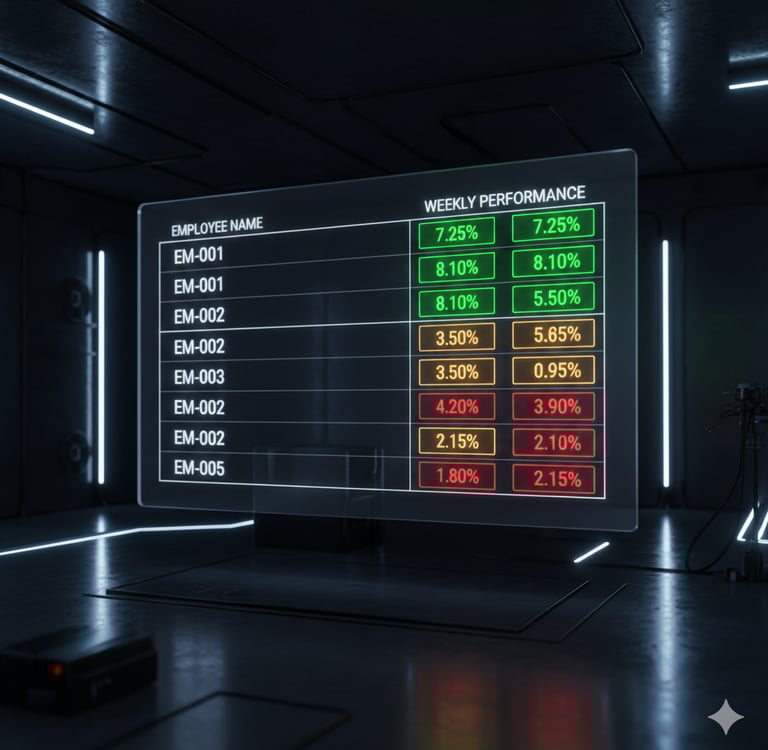
Auto-generated performance ratings
Built-in scoring logic assigned performance grades (similar to formal incentive or bonus systems)
Managers could instantly see top performers and those requiring additional support
Ratings were standardized across the store, reducing bias and subjectivity
Daily, weekly, and monthly roll-ups
The system aggregated daily entries into weekly, monthly, and annual summaries
Managers could track trends over time and compare team performance against historical benchmarks
Mobile and PC accessibility
Staff could log in on their phones or workstations to input daily performance or check progress
Encouraged real-time engagement and ownership of results
No delays or excuses: everyone had access wherever they were
Centralized dashboards for leadership
All data flowed into a single, clear dashboard for store leadership
Allowed managers to make informed decisions immediately, whether adjusting staffing, promotions, or inventory

The Cultural Impact
Implementing this system wasn’t just about numbers. By making performance transparent and accessible, we fostered:
Accountability: Staff could see their own progress and understand how their work impacted team results
Motivation: Weekly and monthly summaries shared in team groups highlighted top performers and encouraged healthy competition
Data-driven decisions: Managers no longer had to rely on intuition alone; trends and insights were available instantly
Result: What used to take hours or days of compiling reports became instant insight, driving performance improvement and operational efficiency.

Why This Matters
A well-designed KPI system transforms retail management from reactive to proactive. It creates clarity, consistency, and measurable accountability, giving staff and managers the tools they need to succeed.
This is just Volume 1 of our series — in the next installment, we’ll explore how employee relations and digital tracking systems can complement performance dashboards to create a fully integrated retail operations system.
Similar Blogs
Social Media
Reach out to discuss projects or collaborations.
Contact details
direct message
gameed.omar@gmail.com
+27 82 388 1821
© 2025. All rights reserved.